In construction, winning a project is not just about submitting the lowest bid. It is about submitting the right bid, understanding the scope, identifying potential risks, coordinating resources and knowing where costs can be controlled before they become expensive problems.
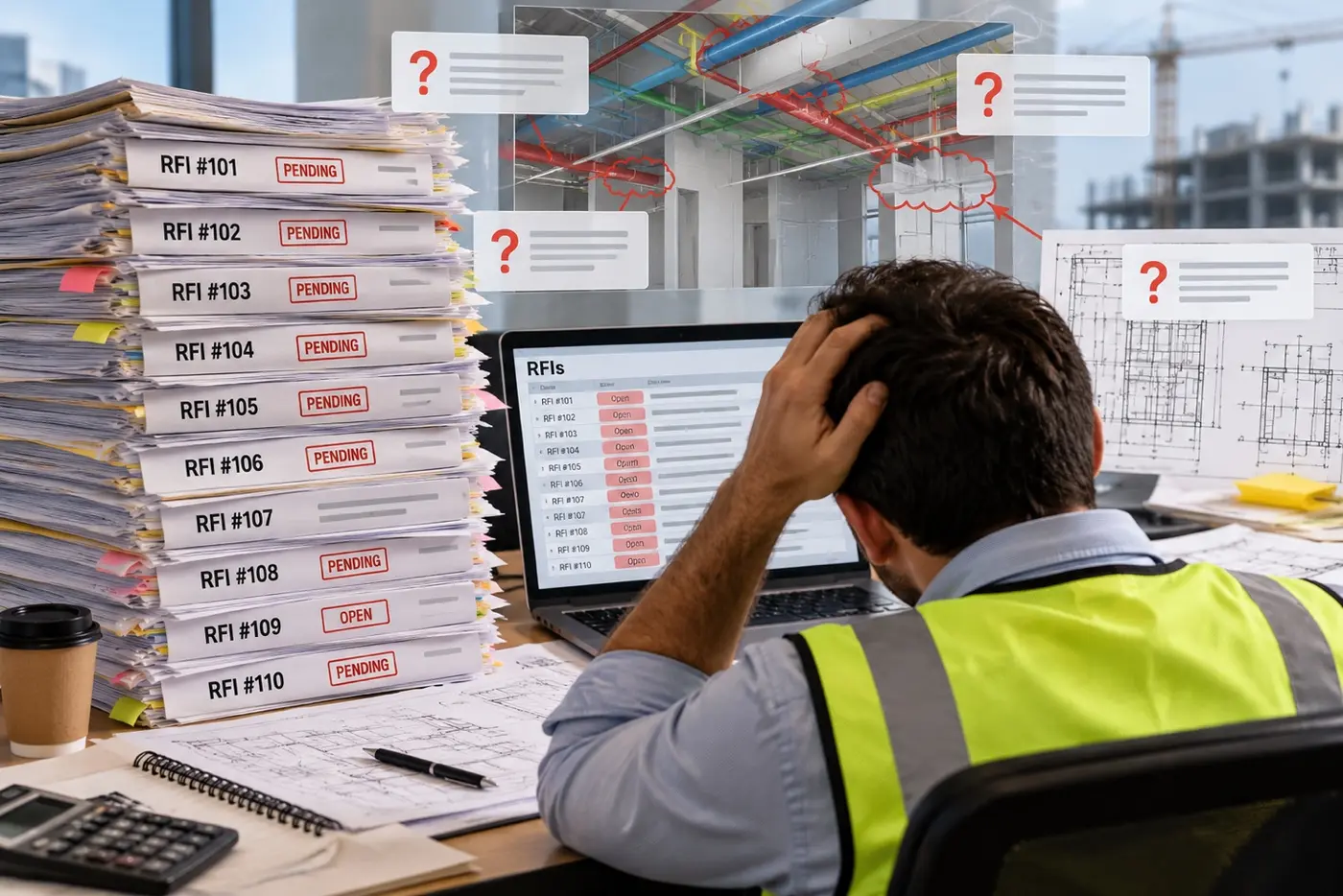
Yet, many contractors face the same challenge: estimating teams work independently, BIM teams are occupied with modelling, planning teams are managing schedules, and project managers are constantly following up on drawings, RFIs, documentation and design changes.
When these functions do not work together, the consequences can be expensive. Estimates may miss critical details, design issues may go unnoticed, schedules may become unrealistic, and changes can affect project costs.
This is where the right Project Engineer can make a significant difference.
A capable Project Engineer does much more than review drawings or coordinate technical queries. They connect different teams, manage project information, support preconstruction activities and help ensure that decisions made during the early stages of a project translate into better execution and cost control.
For contractors looking to improve bid performance without continuously increasing their internal overheads, investing in the right project engineering support can be a practical competitive advantage.
1. Why Project Engineers Matter More Than Ever in Construction
Construction projects involve several interconnected functions. Estimating, BIM, planning, procurement, design coordination and project delivery cannot operate in isolation.
For example, an estimator may prepare a cost estimate based on the latest available drawings. Meanwhile, the BIM team may identify a design clash that affects quantities, material requirements or installation methodology. If this information does not reach the estimating and planning teams in time, the original bid may no longer reflect the actual project requirements.
Similarly, a design revision may affect the construction sequence, procurement schedule, labour requirements and overall project budget.
A Project Engineer helps connect these moving parts.
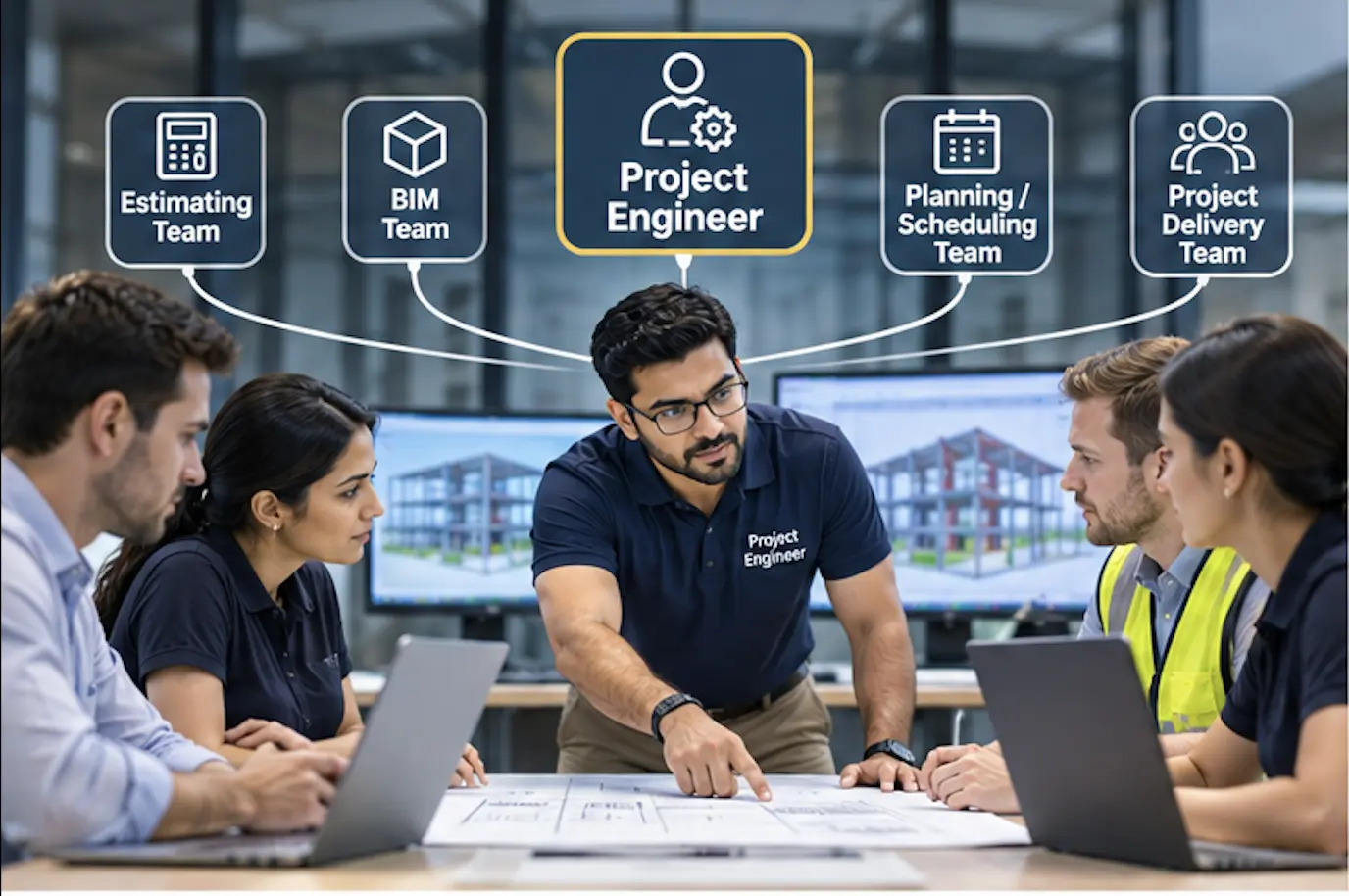
They act as a coordination point between internal teams and external project stakeholders, ensuring that information is communicated, technical issues are followed up and changes are properly documented.
For main contractors and specialist subcontractors, this coordination can make a real difference to both bid preparation and project delivery.
2. How a Project Engineer Strengthens Your Preconstruction and Bidding Process
The preconstruction stage is one of the most important opportunities to influence project profitability.
Once a bid is submitted and a project moves into execution, correcting missed quantities, design assumptions or coordination issues can become considerably more expensive.
A Project Engineer can support the preconstruction team in several ways.
A. Better coordination between estimating and BIM teams
Estimating and BIM teams often work with different deliverables, but their work is closely connected.
A Project Engineer can coordinate between both teams to ensure that:
- Quantities are checked against the latest drawings and available models.
- Design discrepancies are highlighted before they affect the estimate.
- Potential clashes and constructability issues are communicated to the estimating team.
- Scope gaps and missing information are identified.
- Drawing revisions are communicated to the relevant departments.
- BIM-based quantity information is reviewed and aligned with estimating requirements.
This coordination helps contractors make more informed pricing decisions and reduces the risk of carrying incorrect assumptions into a bid.
B. Identifying opportunities for cost optimisation
A good Project Engineer does not simply pass information between departments. They also help identify opportunities to improve project efficiency.
During preconstruction, this may include:
- Reviewing design details for potential constructability issues.
- Identifying opportunities for alternative materials or construction methods.
- Coordinating value engineering discussions.
- Highlighting unnecessary complexity in design details.
- Identifying potential material wastage.
- Supporting quantity validation and cost comparisons.
- Flagging design decisions that could increase labour, procurement or installation costs.
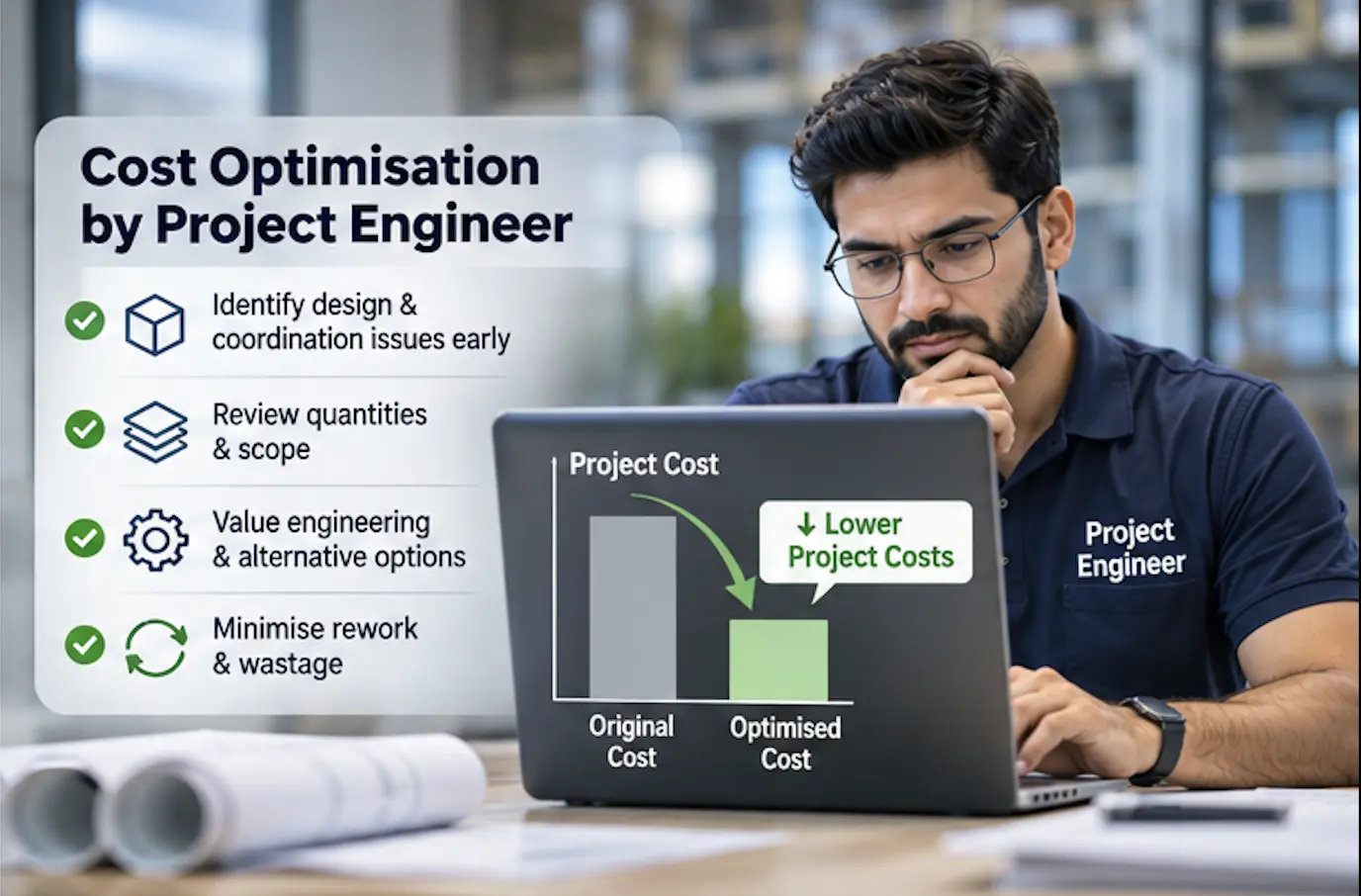
These activities can help contractors identify practical ways to decrease project cost before construction begins.
The objective is not simply to reduce the estimate. It is to find opportunities to deliver the required scope more efficiently without compromising quality, safety or contractual requirements.
C. Supporting more accurate and competitive bids
A competitive bid requires more than accurate quantities.
Contractors also need to understand the project scope, technical requirements, programme constraints, potential risks and coordination dependencies.
A Project Engineer helps bring this information together so that estimating teams can prepare bids with better visibility.
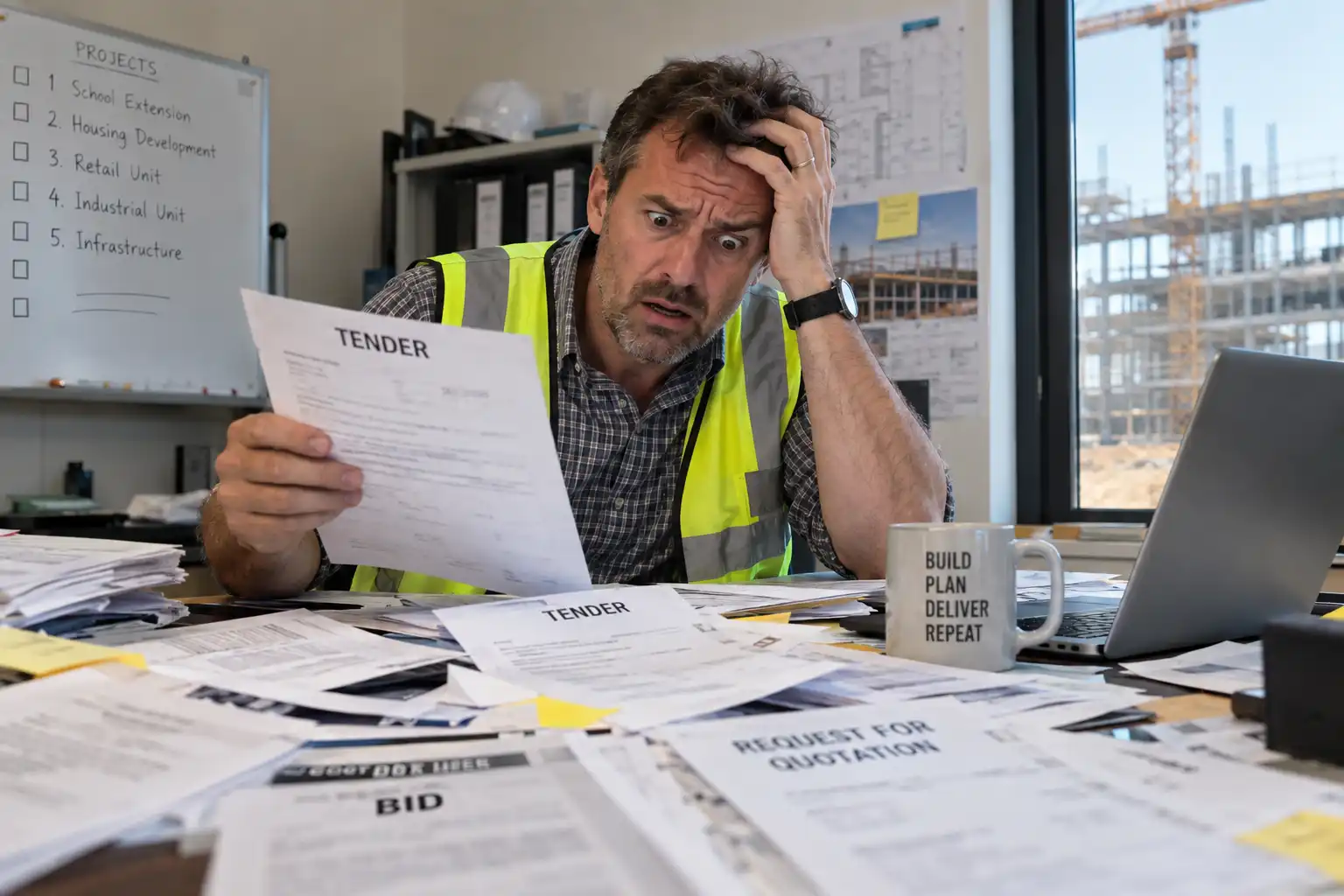
This is particularly valuable when contractors are managing several tenders simultaneously and need to increase their bid capacity without putting additional pressure on their existing teams.
3. What Does a Project Engineer Actually Handle?
The responsibilities of a Project Engineer can vary depending on the contractor, project size and delivery model. However, the role often covers several interconnected areas.
| Function | Project Engineer’s responsibilities |
|---|---|
| Internal coordination | Coordinate estimating, BIM, planning, procurement and project delivery teams. |
| Scheduling | Support programme development, milestone tracking and coordination with planning teams. |
| Estimating | Coordinate quantity validation, scope reviews, cost assumptions and estimating deliverables. |
| BIM coordination | Work with BIM specialists on model reviews, clash identification and design coordination. |
| Document management | Maintain drawing registers, revision records, technical submissions and project documentation. |
| RFIs | Prepare, coordinate, track and follow up on Requests for Information. |
| Change orders | Maintain change records, coordinate supporting documentation and flag cost and programme implications. |
| Technical coordination | Review drawings, specifications, technical queries and design information. |
| Cost optimisation | Identify potential rework, material wastage, constructability issues and value engineering opportunities. |
| Reporting | Track outstanding actions, deliverables, project information and coordination progress. |
The real value comes from having someone who understands how these functions affect one another rather than treating each task as a separate activity.
4. Managing RFIs, Change Orders and Project Documentation
Documentation is often underestimated in construction project management.
A missing drawing revision, delayed RFI response or poorly documented change can create confusion between departments and affect project schedules and commercial outcomes.
A Project Engineer can help establish better control over these processes.
RFI management
- Coordinate technical queries from internal teams and subcontractors.
- Prepare and organise supporting drawings and information.
- Maintain an RFI register.
- Track response deadlines and outstanding queries.
- Communicate responses to the relevant departments.
Change order and variation coordination
- Maintain records of design changes and scope revisions.
- Coordinate updated drawings and supporting documents.
- Help identify changes that may affect quantities, cost or programme.
- Coordinate with estimating and commercial teams for cost assessments.
- Maintain change logs and supporting records.
Document management
- Maintain drawing and document registers.
- Track drawing revisions and superseded information.
- Organise technical submissions and approvals.
- Coordinate shop drawings and as-built documentation.
- Ensure relevant teams are working with the latest available information.
These activities help contractors reduce information gaps and improve accountability throughout the project lifecycle.
5. How Project Engineers Help Reduce Costs During Project Development
Cost control does not stop once a contractor wins a project.
During development and execution, design changes, procurement decisions, coordination delays and construction issues can all affect the original budget.
A Project Engineer can work alongside the project manager, commercial team, estimators, BIM specialists and planners to identify potential cost implications early.
Some practical examples include:
Reducing rework: Coordinating design reviews and BIM-related issue identification before problems reach the construction site.
Improving resource planning: Coordinating project schedules and deliverables so that teams can identify dependencies and avoid unnecessary delays.
Controlling design changes: Ensuring changes are recorded, communicated and assessed for their potential commercial and programme impact.
Improving procurement coordination: Helping technical and procurement teams align material requirements, specifications and delivery information.
Avoiding scope gaps: Comparing drawings, specifications, BOQs and project requirements to highlight discrepancies.
Supporting value engineering: Coordinating technical and estimating teams to assess alternative solutions that may provide better value.
These are practical ways to cut down project cost without relying solely on reducing labour or material budgets.
6. Why Contractors Are Exploring Remote Project Engineers
Hiring experienced construction professionals locally can be expensive, particularly when project workloads fluctuate.
A contractor may need additional engineering support during a major tender, design coordination phase or project mobilisation, but may not have enough consistent work to justify another permanent position.
This is one reason why construction staffing services and offshore delivery models are becoming relevant to construction businesses.
Through offshore construction staffing, contractors can access experienced professionals who work as an extension of their internal teams.
A remote Project Engineer can support activities such as:
- Estimating and BIM team coordination.
- Project documentation and drawing management.
- RFI and change order tracking.
- Technical coordination and drawing reviews.
- Schedule and progress reporting support.
- Quantity and cost coordination.
- BIM coordination and clash review support.
- Preconstruction documentation and tender support.
The contractor retains control over project decisions, client relationships, site operations and contractual responsibilities, while the remote team provides additional engineering capacity.
Building a Construction Virtual Team
Rather than hiring one person for every individual requirement, contractors can build a coordinated construction virtual team comprising complementary skills.
For example:
| Resource | How they support the contractor |
|---|---|
| Remote Project Engineer | Coordinates project activities, documentation, technical queries and internal teams. |
| Construction Estimator | Supports estimates, cost planning, BOQs and bid preparation. |
| Remote BIM Specialist | Supports Revit modelling, model coordination and clash detection. |
| Construction Drafter | Prepares and updates CAD drawings, shop drawings and construction documentation. |
| Planning Engineer | Supports project schedules, progress updates and programme coordination. |
This model gives contractors access to different skill sets without having to expand every department independently.
It can also help reduce recruitment pressure and improve the allocation of resources across multiple projects.
7. The Right Combination of Skills Makes the Difference
A Project Engineer should not be selected based on the job title alone.
The right person needs to understand construction workflows and communicate effectively with different technical and commercial teams.
Depending on the contractor’s requirements, useful experience may include:
- Reading and interpreting architectural, structural and MEP drawings.
- Understanding construction estimating and quantity takeoffs.
- Working with BIM and Revit teams.
- Understanding project schedules and construction sequencing.
- Managing RFIs, submittals and change documentation.
- Coordinating with subcontractors, consultants and internal departments.
- Using construction project management and document control platforms.
Experience with tools such as AutoCAD, Revit, Navisworks, Bluebeam, Procore, Autodesk Construction Cloud, Aconex and Microsoft Project can also be valuable, depending on the project environment.
A contractor may also need specialist support alongside the Project Engineer. For example, they may choose to hire a construction estimator for bid preparation or bring in a remote BIM specialist for model coordination and clash detection.
The goal is to build the right combination of resources around the project rather than expect one individual to perform every technical function.
8. How to Reduce Project Overheads Without Compromising Delivery
For growing contractors, increasing project volume often means increasing internal headcount.
However, hiring additional permanent employees is not always the most efficient solution.
A structured remote support model can help contractors explore practical ways to cut overheads while maintaining access to the skills they need.
Some potential advantages include:
- Lower recruitment and onboarding pressure.
- Access to specialised construction professionals.
- Flexible resource allocation based on project workload.
- Additional estimating and BIM capacity during tender periods.
- Reduced administrative pressure on project managers.
- Better coordination between technical departments.
- Ability to support multiple projects with a structured remote team.
The actual savings depend on the engagement model, resource experience, management requirements, software licensing, communication processes and the level of supervision required.
Remote staffing is not a replacement for site-based supervision or the contractor’s statutory and contractual responsibilities. It is an additional delivery resource that can strengthen the existing project team.
9. Is Your Project Team Ready for Dedicated Engineering Support?
If your estimating team is struggling with tender deadlines, your BIM team is managing multiple models, and your project managers are spending too much time following up on RFIs, drawings and documentation, it may be time to reconsider how your resources are structured.
A dedicated Project Engineer, supported by estimators, BIM specialists, drafters and planning professionals, can help create a more connected project delivery process.
At Precon, we support construction businesses with dedicated engineering and technical resources across estimating, quantity takeoffs, BOQs, BIM, Revit modelling, CAD drafting, project planning and construction documentation.
Our approach is to understand your existing workflows, identify where additional support is required and provide professionals who can integrate into your team’s processes.
Whether you need a dedicated Project Engineer, additional estimating capacity, a remote BIM specialist or a broader construction virtual team, the objective remains the same: give your project teams the support they need to work more efficiently.
The right Project Engineer may not be the person who prepares your entire bid. But they could be the person who ensures your estimating, BIM, planning and technical teams work together to prepare a better one.
Looking to strengthen your preconstruction and project delivery team?
Explore Precon’s construction staffing and engineering support services or get in touch with our team to discuss your requirements.